
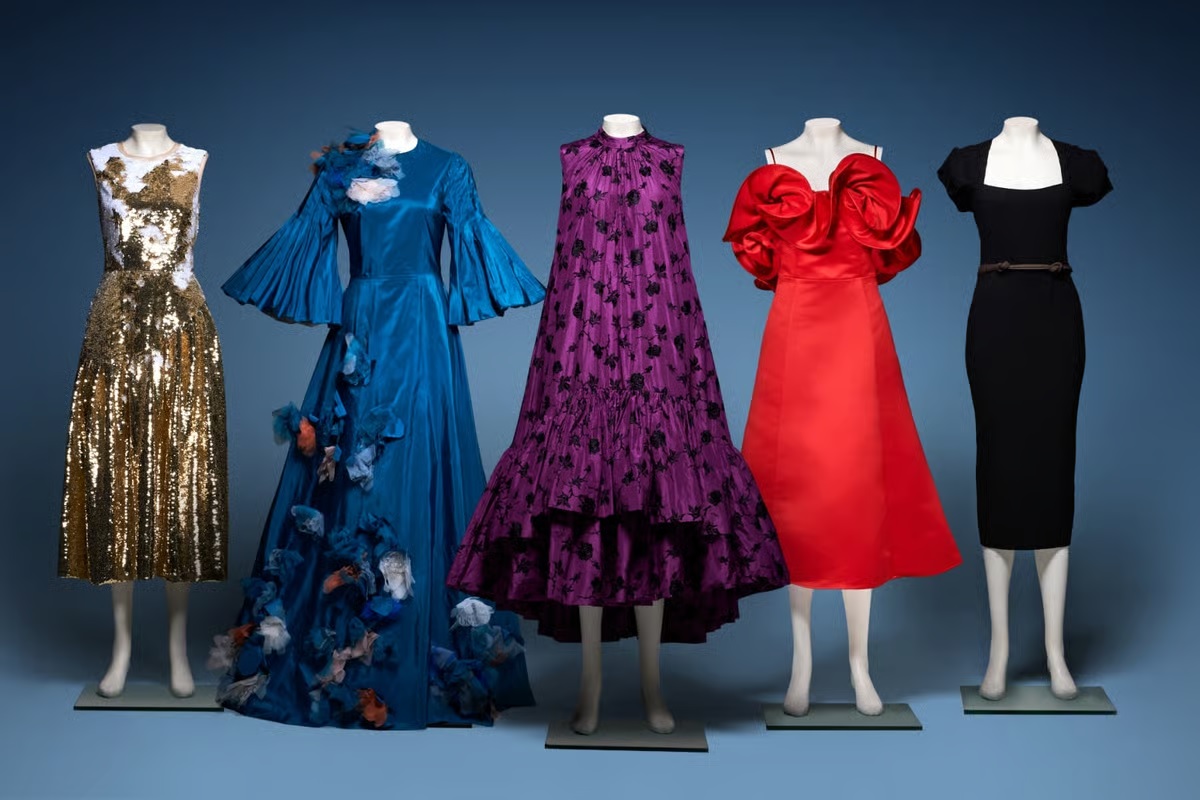

The world of fashion is a realm where creativity meets functionality, where aesthetics are meticulously crafted to fit the contours of the human body, and where fleeting trends blend with timeless elegance. At the heart of this creative process is the dress designer—an artist whose medium is fabric, whose canvas is the human form, and whose vision shapes the way we present ourselves to the world. Dress designers are not merely creators of clothing; they are storytellers, sculptors, and visionaries, pushing the boundaries of design while adhering to the delicate balance between beauty, comfort, and practicality. In this article, we delve into the multifaceted world of the dress designer, exploring their role, the process of design, the challenges they face, and the immense impact they have on the fashion industry.
The Role of the Dress Designer
A dress designer’s role goes beyond just creating visually stunning garments. It is about understanding the intricacies of fabric, color, shape, and structure, and knowing how to bring them together in a way that complements both the human form and the wearer’s personality. The designer’s task is to envision an entire narrative through a dress—be it for a wedding, a gala, or a casual day out—and to execute that vision in a manner that resonates with the audience.
In essence, a dress designer is an architect of style. They sketch, cut, stitch, and refine, constantly experimenting with various materials and techniques to produce a garment that speaks to both the wearer and the world. The process of creating a dress involves understanding the client’s body, personality, and preferences, as well as drawing inspiration from art, history, nature, and even culture. It is a delicate dance between artistic expression and commercial appeal, where the designer must balance originality with practicality.
The Creative Process
Creating a dress is an intricate, multi-step process that requires both technical expertise and an acute sense of artistry. For many designers, the journey begins with inspiration—a muse that could come from anything: a painting, a natural landscape, a vintage piece of fashion, or even a personal experience. Once the inspiration is identified, the designer begins the process of sketching. These sketches serve as blueprints, outlining the silhouette, fabric, color palette, and overall design elements.
After the initial sketches are completed, the next step is fabric selection. The choice of fabric is crucial, as it can completely transform the garment’s appearance, texture, and wearability. A flowing chiffon may lend a sense of elegance to a dress, while a structured satin might create a bold and striking look. The fabric also dictates how the dress will move, how it will fit, and how it will interact with light and shadow.
Once the fabric is chosen, a pattern is made, and a prototype or muslin is created to test the design’s fit and functionality. This stage often involves several rounds of alterations, as the designer refines the details to ensure the dress drapes perfectly on the wearer’s body. The final construction involves cutting, sewing, and embellishing, a process that demands not only skill but also patience. Each seam, stitch, and button must be executed with precision to ensure the dress fits seamlessly and looks polished.
The Influence of Fashion Trends
While dress designers are driven by their own artistic vision, they are also influenced by the ever-changing landscape of fashion trends. Fashion, much like art, evolves over time, influenced by cultural shifts, societal changes, and technological advancements. Designers must stay attuned to these trends while maintaining their own unique voice. Understanding what is in vogue and interpreting it in a fresh and innovative way is one of the hallmarks of a successful designer.
However, it’s important to note that not all designers follow trends; some deliberately choose to rebel against them. Designers like Coco Chanel and Christian Dior are celebrated for their ability to set trends, rather than follow them. Chanel, for instance, revolutionized women’s fashion by introducing simplicity and elegance in an era dominated by excess and opulence. Similarly, Dior’s New Look in the post-World War II era became a symbol of femininity, changing the course of fashion history.
In modern times, designers often draw on a blend of past influences while incorporating contemporary elements. The ability to combine tradition with modernity is what allows dress designers to create collections that feel both timeless and fresh. Whether it’s by using classic silhouettes in new fabrics or blending avant-garde designs with street style aesthetics, dress designers play a key role in defining the fashion zeitgeist.
Challenges in the Dress Design Industry
Being a dress designer is a glamorous career, but it is not without its challenges. One of the most significant hurdles is the constant pressure to innovate. The fashion world is notoriously fast-paced, with new collections needed every season. Designers must consistently come up with fresh ideas while balancing the practical aspects of production, such as cost constraints and time limits. The pursuit of originality can sometimes feel like an uphill battle, as designers strive to create something that is both innovative and commercially viable.
Another challenge is the physical and emotional demands of the profession. Dress designers often work long hours, sometimes under intense stress, to meet deadlines. There is a great deal of pressure to not only produce a product that is beautiful but one that also meets the technical specifications required for mass production. Furthermore, the competitive nature of the industry means that standing out can be difficult. Success often requires a combination of talent, persistence, and a bit of luck, as well as an ability to cultivate relationships within the fashion industry.
Lastly, the issue of sustainability has become an increasing challenge for dress designers in recent years. As the world becomes more conscious of environmental issues, there is growing pressure on the fashion industry to adopt sustainable practices. Many designers are now incorporating eco-friendly fabrics and production methods into their designs, while others are exploring upcycling or creating collections that are more conscious of the environmental footprint they leave behind.
The Impact of Dress Designers on Society
Dress designers wield significant influence on society. Through their creations, they not only impact trends but also reflect the social, political, and cultural climate of their time. A well-designed dress can tell a story, communicate a message, or challenge the status quo. The designs featured on the runway often serve as a form of artistic expression, pushing boundaries and questioning societal norms.
Moreover, dress designers have the power to empower individuals. Clothing can be a form of self-expression, and a well-fitted, thoughtfully designed dress can boost a person’s confidence and sense of identity. From haute couture to ready-to-wear collections, designers create garments that allow people to feel both comfortable and stylish, helping them to navigate the world with a sense of poise and self-assurance.
In conclusion, dress designers are not just creators of beautiful garments; they are architects of culture and history. Through their designs, they shape not only the way we dress but the way we see ourselves and each other. Whether it’s the intricacy of a wedding gown or the simplicity of a casual dress, the dress designer’s work touches our lives in profound and lasting ways. As fashion continues to evolve, the role of the dress designer remains essential, continuing to shape the fabric of society one dress at a time.