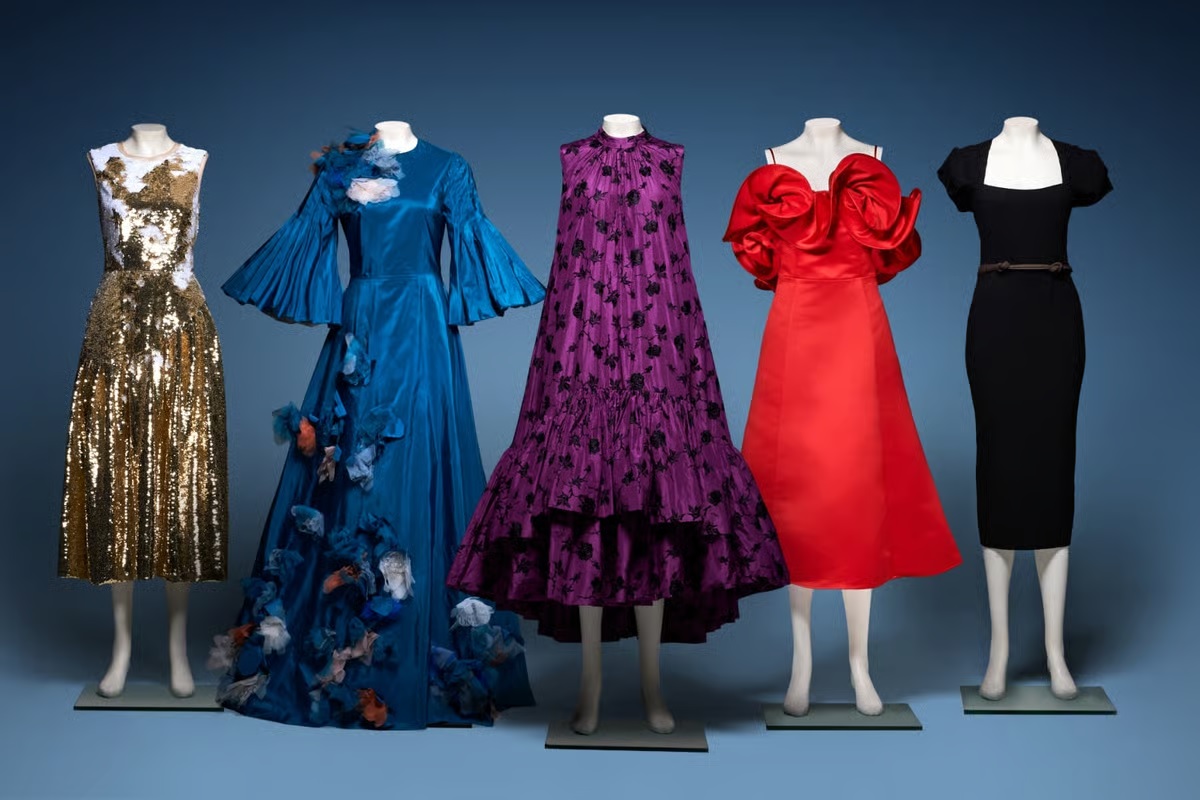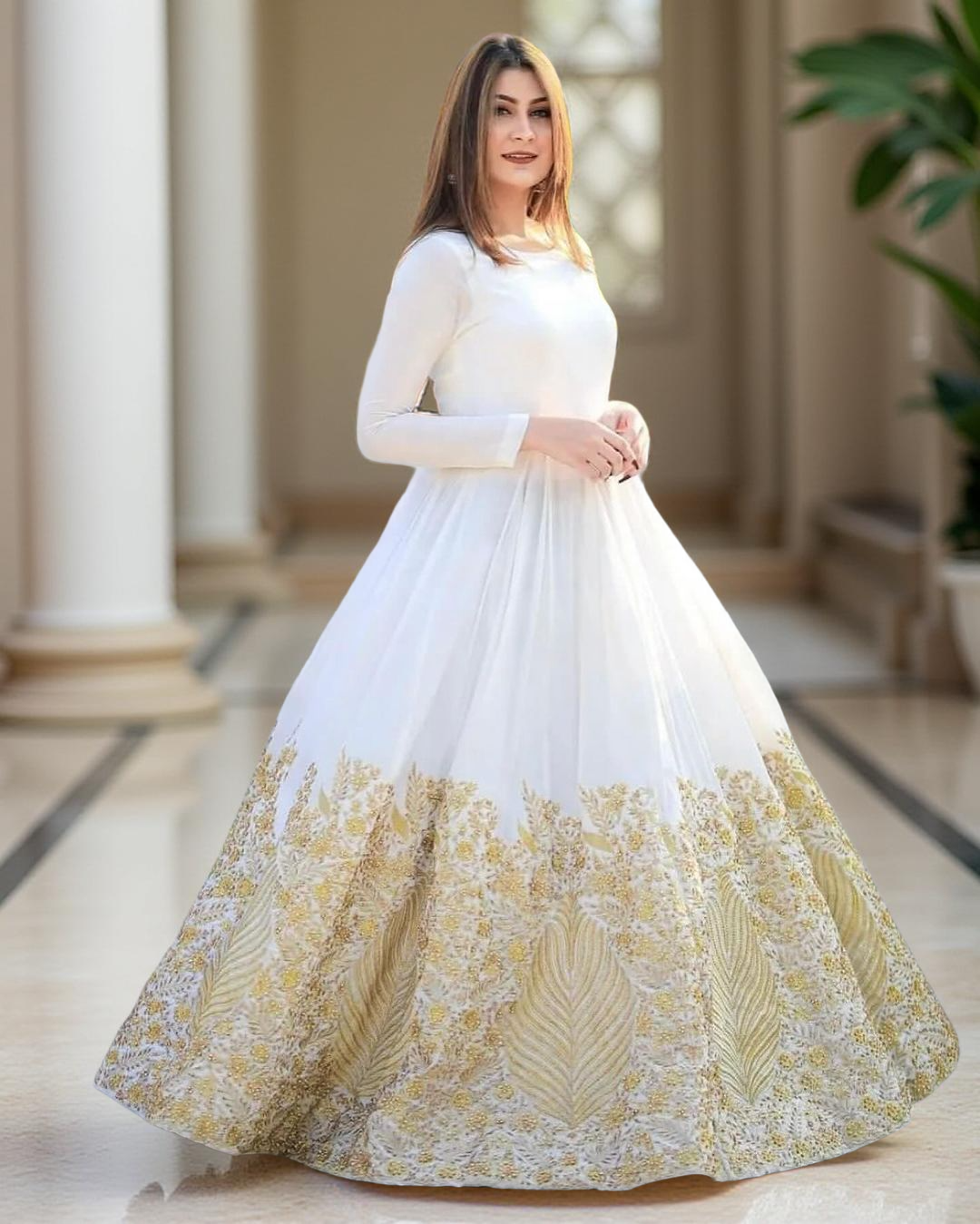
Behind the Scenes: A Day in the Life of a Dress Designer
The glitz and glamour associated with fashion runways often mask the grueling, meticulous, and highly technical work that happens long before a garment hits the spotlight. For a dress designer, the profession is far more than just sketching beautiful silhouettes in a quiet studio. It is a balancing act of creative vision, complex logistics, textile engineering, and relentless problem-solving. A day in the life of a dress designer is rarely predictable, but it is almost always defined by a commitment to turning abstract ideas into wearable art.
The Early Morning Momentum
For most professional designers, the workday begins long before the doors to the studio officially open. The creative mind does not adhere to standard office hours, and inspiration is often captured during early morning quiet or while browsing through reference materials. By the time the designer steps into the studio, the agenda is usually already overflowing with pending decisions regarding production timelines, fabric sourcing, and design adjustments.
The first hour of the day is typically reserved for communication. This involves coordinating with textile mills, checking in on production facilities, and responding to feedback from fit models. A dress designer acts as the central hub of a large project. Whether they are running an independent atelier or working for a large fashion house, they must ensure that everyone on the team understands the nuance of the current collection. A single misinterpretation of a seam placement or a fabric weight can compromise the entire integrity of a piece.
The Creative Process: From Sketch to Pattern
The core of the designer’s work lies in the translation of a vision into a physical reality. This phase begins with the initial sketch. While digital tools have revolutionized the industry, many designers still rely on traditional paper and pencil to capture the fluidity of a dress. The sketch is not merely an illustration; it is a set of instructions. It defines how a fabric should drape, how a neckline should sit, and how a dress will interact with the human body in motion.
Once the sketch is finalized, the process moves into the development of a pattern. This is where the engineering aspect of fashion design becomes apparent. A pattern maker or the designer themselves must break down the two-dimensional sketch into flat shapes that, when stitched together, create a three-dimensional garment. This stage requires a deep understanding of geometry and fabric properties.
-
Selecting the right fabric weight is crucial for the drape.
-
Calculating seam allowances ensures the dress holds its shape over time.
-
Testing closures, such as zippers or buttons, ensures the functional longevity of the piece.
The Technical Reality of Fit Sessions
Midday often brings the most critical aspect of the design process: the fit session. This is where the prototype, often made from inexpensive muslin or toile, is tested on a fit model. The designer observes the garment in real-time, looking for balance, proportion, and comfort.
During these sessions, the designer is essentially a surgeon of fabric. They pin, tuck, and adjust the material directly on the model. They might decide that a skirt needs two extra inches of volume to create the desired movement, or that an armhole is restricting the model’s range of motion. These adjustments are meticulously documented, and the pattern is updated accordingly. This cycle of fitting and refining can happen dozens of times for a single dress. It is a humbling process that requires the designer to let go of their ego and prioritize how the garment truly behaves on a human form.
Sourcing and Textile Selection
In the afternoon, the focus often shifts to the sensory side of design: textile sourcing. A dress designer must have an extensive library of swatches. They spend hours evaluating fabrics based on texture, durability, color fastness, and environmental impact. The choice of fabric determines not only the look of the dress but also its price point and care requirements.
When sourcing, the designer considers the entire lifecycle of the garment. Will this silk hold up under professional cleaning? Does this cotton blend wrinkle too easily? These questions are vital because a designer’s reputation is built on the longevity of their creations. They must balance their artistic desire for luxury materials with the practical reality of garment manufacturing. This often involves negotiating with suppliers, requesting samples, and sometimes commissioning custom weaves or prints that cannot be found on the open market.
Managing the Production Pipeline
As the afternoon progresses, the administrative reality of the industry takes over. Fashion is a business, and a designer must be deeply involved in the production timeline. This involves overseeing the grading of patterns—scaling a design from a sample size to a full range of sizes—and ensuring that each size maintains the intended proportions of the original vision.
The designer must also coordinate with the production team to ensure quality control. They review samples from the factory, checking for consistent stitching, correct hardware placement, and overall finish. Any deviation from the standard can lead to costly delays. This part of the day requires intense focus and the ability to manage stress, as the timeline for a seasonal collection is usually unforgiving. The pressure to meet deadlines for fashion weeks or retail releases means that the designer is constantly troubleshooting, managing budgets, and keeping the team motivated under tight constraints.
The Quiet Hours and Future Vision
As the sun sets and the studio grows quieter, the designer often finds time for more contemplative work. This is when they step back from the granular details of current production to look at the “big picture.” They might spend time trend forecasting, researching art history, or exploring new sustainable manufacturing technologies.
This evening period is essential for maintaining creative vision. If a designer becomes too consumed by the daily grind of production, their work can lose its soul. They use these late hours to refine the aesthetic direction of the next collection, sketching out ideas that may not reach fruition for months or even years. This is a time of exploration, where they ask themselves how they can push the boundaries of their craft while remaining true to their brand identity.
Frequently Asked Questions
How does a designer handle creative block?
Designers often overcome creative blocks by stepping away from the studio to find inspiration in different environments, such as nature, architecture, or museums. Sometimes, focusing on a completely different task, like organizing fabric swatches or sketching unrelated items, helps reset the mind and allows new ideas to emerge.
Do all dress designers also sew their own pieces?
While many designers learn the technical skill of sewing to better understand construction, they rarely sew every final garment themselves in a professional setting. They typically work with a team of skilled sample makers and garment technicians who execute the complex sewing work under the designer’s direction.
What is the most difficult part of designing a dress?
The most difficult aspect is often the bridge between concept and reality. A design might look stunning on paper, but if the fabric does not drape correctly or the construction is too complex for mass production, the designer must find a way to compromise without sacrificing the integrity or aesthetic of the original idea.
How do designers stay updated with the latest fashion technology?
Designers attend industry trade shows, read technical fashion journals, and often collaborate with textile engineers. Innovations such as 3D fashion design software, digital printing, and new sustainable synthetic fibers are changing the industry, and staying ahead of these trends is crucial for competitive work.
Is it necessary for a designer to have a degree in fashion?
While a formal degree provides essential training in construction, history, and business, it is not the only path. Many successful designers enter the field through apprenticeships, self-directed learning, and hands-on experience in the garment industry. A strong portfolio and a deep understanding of textiles are often more valuable than a degree.
How is the size range of a dress determined?
The size range is determined by the target market and the brand’s specific fit model profile. The designer must ensure that the fit is consistent across all sizes, which involves grading the patterns to account for the way a body shape changes as it gets larger or smaller, ensuring the silhouette remains flattering for every customer.
What role does sustainability play in the daily work of a designer?
Sustainability has become a primary consideration. It influences everything from the choice of raw materials to the efficiency of the pattern layout, which minimizes fabric waste during cutting. Designers today are increasingly tasked with finding ways to create beautiful clothing that also meets modern environmental and ethical standards.