
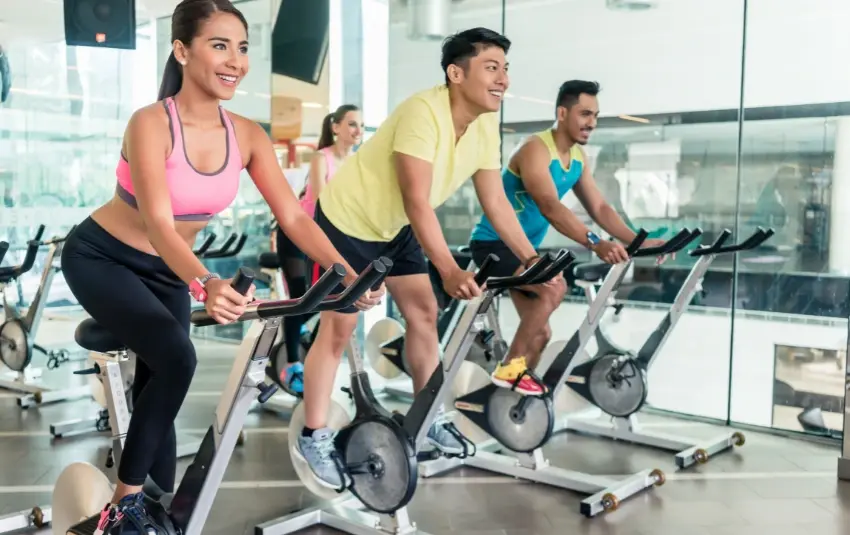

Walk into any spinning studio in Singapore and you will quickly notice that participants are wearing a wide spectrum of gym attire. Some arrive in full cycling kit. Others are in basic cotton shorts. Most fall somewhere in between. What is actually the right approach? And does what you wear genuinely affect how you perform and feel during class?
The short answer is yes, significantly. In Singapore’s climate, where humidity sits between 70 and 90 percent on most days and indoor studios can get warm despite air conditioning, the wrong clothing choices turn an already intense spinning classes session into an unnecessarily uncomfortable one. The right choices, on the other hand, support performance, protect your body from chafing and discomfort, and can even boost motivation.
This guide covers everything a Singapore-based spinning class participant needs to know about what to wear, from the fabric science behind moisture-wicking materials to the cycling shorts debate, footwear recommendations, and where to find quality activewear without overspending.
Understanding Singapore’s Climate Challenge in the Spinning Studio
Before diving into specific clothing recommendations, it is worth acknowledging what makes Singapore’s spinning class environment particularly demanding from a clothing perspective. Even in an air-conditioned studio, a 45 to 60-minute spinning class generates substantial body heat. Core temperature rises, sweat production increases significantly, and the combination of exertion and humidity means that fabrics which work well in a temperate climate gym may be far less comfortable here.
Cotton, the fabric most commonly found in inexpensive sportswear, absorbs sweat readily but holds onto it, keeping it close to the skin. In a long spinning session, this translates to a soaking wet garment that chafes, adds weight, and takes a long time to dry. In Singapore’s climate, where you may still be sweating even after the class ends, this is particularly problematic.
The solution is modern performance fabrics engineered to wick moisture away from the skin and accelerate evaporation. Understanding why these materials work is useful when evaluating what to buy.
The Case for Moisture-Wicking Performance Fabrics
Moisture-wicking fabrics are typically made from synthetic fibres such as polyester, nylon, or polypropylene, often with a specialised weave or surface treatment that draws sweat away from the skin and toward the outer surface of the fabric where it evaporates. Some high-performance fabrics also incorporate silver ions or other antimicrobial treatments to reduce the odour-causing bacterial growth that sweat-soaked gym clothes tend to encourage.
For spinning specifically, the properties that matter most in your clothing are:
- Moisture management: How quickly the fabric moves sweat away from the skin and dries during wear.
- Breathability: How effectively the fabric allows air circulation to support cooling.
- Stretch and freedom of movement: Cycling involves a specific range of motion through the hips, knees, and ankles, and restrictive fabric inhibits both comfort and technique.
- Durability: Spinning generates friction at the saddle contact points and around the inner thigh. Fabrics that pill, thin, or lose their elasticity quickly are a poor investment.
- Anti-odour properties: Particularly relevant in Singapore, where the combination of heat and humidity means workout clothing can develop odour quickly.
Tops: What to Look For
For Women A fitted or semi-fitted performance top in a breathable fabric is generally the most comfortable choice for spinning. Loose singlets can bunch or shift awkwardly during the more dynamic moments of a class, particularly when the instructor cues forward lean positions or upper body engagement.
Sports bras are worth investing in for spinning specifically. The bouncing of outdoor running is not a factor on the bike, but sustained compression and sweat absorption during a spinning session means a high-quality, well-fitted sports bra in moisture-wicking fabric is more comfortable than a standard bra or poor-quality sports bra. Medium-support sports bras are generally sufficient for indoor cycling, as the activity is lower-impact than running.
Local brands like Fox and Fern and Lush & Dew offer Singapore-made activewear designed with the tropical climate in mind. International brands including Lululemon, Nike, Gymshark, and Adidas all carry moisture-wicking tops widely available in Singapore at varying price points.
For Men A fitted performance singlet or t-shirt in polyester or a poly-blend fabric is the standard choice. Avoid oversized shirts that trap heat around the torso. Many male spinners opt for a simple performance singlet, which maximises airflow across the arms and torso during intense intervals.
Bottoms: The Cycling Shorts Question
This is where spinning attire gets genuinely interesting and where the right choice makes the most significant difference to comfort during class.
The Chamois Pad: Why It Matters Cycling-specific shorts include a built-in padded liner called a chamois (pronounced “shammy”), which cushions the sit bones against the saddle. In a 45 to 60-minute spinning session, the pressure of a hard saddle against the sit bones and perineal area without any padding can produce significant discomfort, particularly for newer riders who have not yet developed saddle tolerance.
Padded cycling shorts are not mandatory for spinning, and many experienced riders are comfortable in standard leggings or athletic shorts. However, if you are new to spinning or if saddle discomfort has been affecting your experience, a pair of padded cycling shorts is a practical and genuinely transformative investment.
Cycling shorts should be worn without underwear beneath them, as the chamois is designed to sit directly against the skin to minimise friction and moisture-related chafing. This is worth noting for anyone trying them for the first time.
Leggings vs Cycling Shorts vs Athletic Shorts Standard compression leggings in a moisture-wicking fabric work well for spinning and are the most popular choice among Singaporean spinning class participants. Look for options with a flatlock seam construction that minimises inner thigh chafing. Avoid leggings with exposed rubber waistbands or decorative hardware that could catch on the bike.
Athletic shorts are comfortable but should be fitted or at minimum not overly loose, as excess fabric around the inner thigh can cause friction against the saddle. Board shorts and denim cutoffs are genuinely inappropriate for spinning and should be avoided.
For men, padded cycling bib shorts or standard cycling shorts underneath loose athletic shorts is a common practical combination that provides padding while maintaining a less specialised aesthetic.
Footwear: The Shoes Debate
Footwear is one of the most discussed topics among spinning enthusiasts, and the question of whether to invest in dedicated cycling shoes comes up frequently for beginners.
Standard Sports Shoes Any supportive sports shoe with a firm, flat sole is suitable for spinning class beginners. Running shoes work but their cushioned, curved soles can make the power transfer through the pedal feel slightly less efficient. Cross-training shoes or flat-soled trainers are often more comfortable for spinning than running-specific shoes.
The key requirement in any shoe for spinning is adequate sole stiffness. A very soft, flexible sole allows the shoe to deform around the pedal, which reduces power transfer and can create uncomfortable pressure points on the foot during sustained effort.
Cycling Shoes with SPD Cleats Clip-in cycling shoes, which attach to clipless pedals via a cleat mechanism, offer genuine performance advantages for spinning. The connection between shoe and pedal means power is transferred through the entire pedal stroke, including the upward pull phase, rather than only during the downward push. This engages the hamstrings and hip flexors more actively and allows for more efficient and controlled cadence.
Many spinning studios offer standard toe cage pedals for regular shoes and SPD-compatible clipless pedals on the same bikes. If the studio you attend offers clipless pedal options, indoor cycling shoes with SPD cleats are worth considering once you are past the beginner stage.
Indoor cycling shoes are available in Singapore at major sports retailers including Decathlon, where entry-level options are affordably priced, through to specialist cycling stores carrying brands like Shimano, Sidi, and Pearl Izumi for those seeking performance-grade options.
Accessories Worth Considering
Cycling Gloves Thin cycling gloves with a padded palm reduce pressure on the hands from the handlebars during long sessions. This is a minor consideration for standard RPM classes but becomes more relevant for longer or more intensive ride formats.
Sports Towel A compact microfibre sports towel is worth bringing to every spinning session. Most studios provide towels or have them available, but having your own compact option in your gym bag is practical and hygienic.
Headband or Hair Tie For participants with longer hair, securing it fully before class avoids the distraction of hair falling across the face during intervals. A moisture-wicking headband also helps manage forehead sweat during intense efforts.
Where to Shop for Spinning Attire in Singapore
Singapore’s activewear market is well-served across multiple price points.
- Budget: Decathlon’s own brands offer reliable performance fabrics at very accessible prices and are widely available across Singapore.
- Mid-range: Nike, Adidas, Under Armour, and Gymshark are all available at Orchard and major malls, offering good quality performance fabric at moderate prices.
- Premium: Lululemon has a strong presence in Singapore and offers particularly well-constructed cycling-specific tights and sports bras. Rapha and Assos carry premium cycling shorts for those who want the best chamois technology.
True Fitness Singapore members come from all walks of life and all budgets, and the instructors make clear that your performance and experience in class matter far more than the label on your kit. However, choosing clothing that keeps you comfortable, cool, and protected from chafing will genuinely improve your experience from your very first session.
FAQ
Q. Can I wear my regular running shoes to a spinning class? A. Yes, running shoes are fine for spinning, particularly for beginners. They may feel slightly less efficient for power transfer than cycling-specific footwear due to their cushioned soles, but they are perfectly adequate. As you progress and attend more frequently, you may want to consider a cross-training shoe or dedicated indoor cycling shoe for improved feel and efficiency.
Q. Do I need to buy expensive activewear for spinning, or will budget options work? A. Budget activewear works perfectly well for spinning as long as it is made from moisture-wicking synthetic fabric rather than cotton. Decathlon’s in-house brands offer genuinely good quality at low prices and are a popular choice among Singaporeans. You do not need to spend significantly on your gym kit to have a comfortable and effective spinning experience.
Q. How often should I wash my spinning attire? A. After every session, without exception. Spinning generates significant sweat, and allowing moisture-saturated activewear to sit in a gym bag allows bacteria and mould to grow in the fabric, which degrades the material and produces persistent odour that washing alone may struggle to remove. Washing promptly after each session and air-drying rather than tumble-drying extends the life of performance fabrics.
Q. Are padded cycling shorts really necessary for spinning? A. They are not strictly necessary, but they make a meaningful difference to comfort, particularly during your first few months of spinning before you develop saddle tolerance. If saddle discomfort has been discouraging you from spinning consistently, padded cycling shorts are one of the most cost-effective investments you can make in your spinning experience.
Q. Is there a dress code at spinning studios in Singapore? A. Most spinning studios, including those at True Fitness, require appropriate closed-toe athletic footwear and standard sportswear. There is no formal dress code beyond this, and participants wear everything from basic athletic shorts to full cycling kit. The emphasis is on functionality and comfort rather than any particular aesthetic standard. Arrive in what makes you feel comfortable and ready to work hard.