
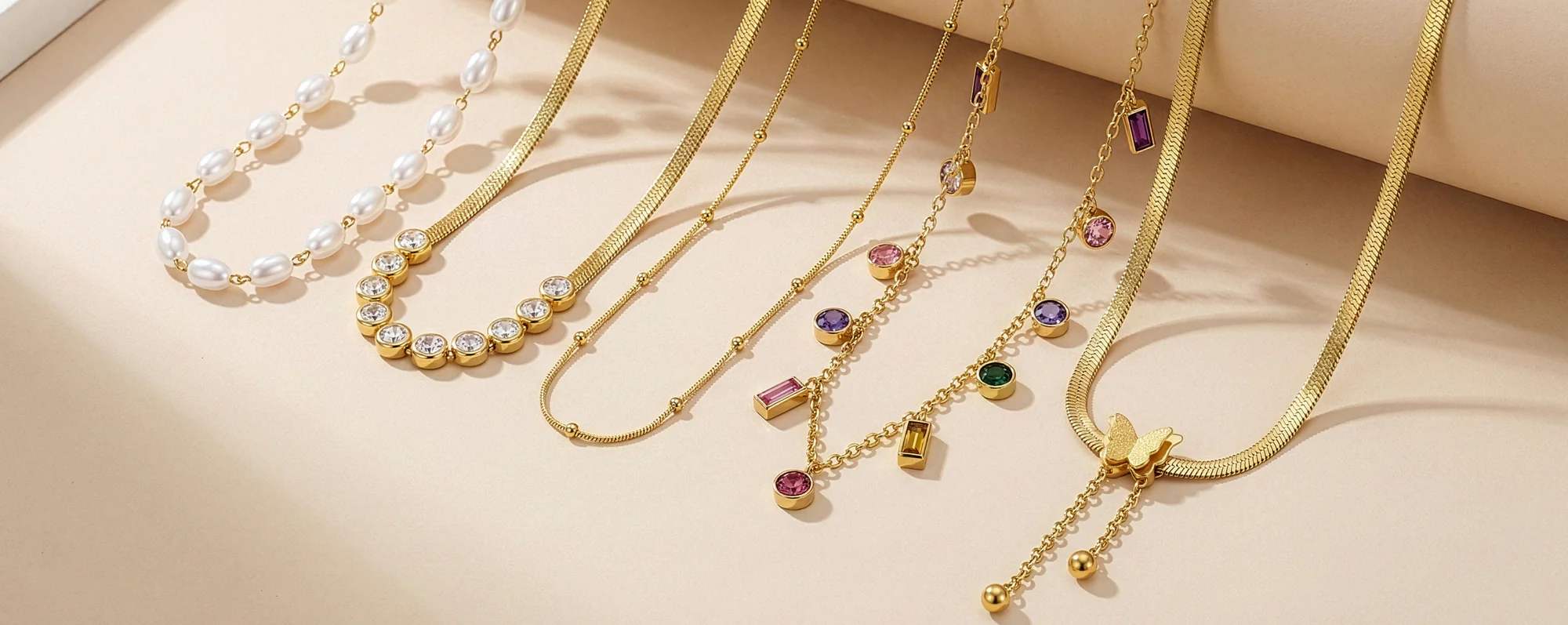

The art of layering necklaces has evolved from a simple trend into a fundamental element of personal style. Whether you are aiming for a minimalist, everyday look or a bold, statement-making aesthetic, the way you stack your jewelry speaks volumes about your attention to detail. Layering allows you to tell a story through your accessories, mixing textures, lengths, and meanings. However, achieving that perfectly effortless, tangled-free stack is often harder than it looks. It requires a balance of proportion, weight, and metallic harmony. With a few strategic techniques, anyone can master the delicate craft of creating a custom necklace stack that elevates even the simplest outfit.
Understanding Proportions and Chain Lengths
The secret to a successful necklace stack lies in the spacing. If all your chains are the same length, they will inevitably tangle and clash, creating a chaotic mess rather than a deliberate style. To create a visual hierarchy, you need to vary the lengths of your necklaces. A classic stack typically incorporates pieces that sit at different intervals around your collarbone and chest area.
A good starting point for any stack is a short chain, often called a choker or a collar necklace, that sits high around the base of the neck. From there, you should introduce a mid-length piece, usually between 16 and 18 inches, which acts as the focal point. Finally, finish the look with a longer, bolder pendant or a chain that sits closer to the center of your chest, around 20 to 24 inches. By staggering the lengths, you ensure that each piece has room to shine and that the stack feels balanced rather than crowded.
Creating Harmony Through Texture and Weight
Once you have established your lengths, you need to consider the weight and texture of your chains. A common mistake is using too many chunky, heavy chains in one stack. While a thick chain can be a fantastic centerpiece, it can easily overwhelm finer, more delicate pieces. To create a sophisticated look, aim for a mix of textures.
-
Start with a thin, simple cable or snake chain to serve as the base.
-
Incorporate one piece with a distinct texture, such as a rope chain, a paperclip link, or a bead chain, to add depth.
-
Use one central pendant or charm to draw the eye toward the center of the stack.
-
Ensure that the weights of the necklaces are relatively balanced so that the heavier pieces do not pull the lighter ones into a knot.
Mixing textures prevents the stack from looking like a uniform slab of metal and adds a sense of organic fluidity that makes the jewelry feel like a cohesive set rather than a random assortment.
Mixing Metals with Intent
For decades, fashion rules dictated that you should never mix gold and silver. Fortunately, those days are long gone. Mixing metals is one of the most modern and chic ways to wear a necklace stack, provided it is done with intention. If you want to mix your metals, the key is to create a sense of balance. You do not want a 50-50 split that looks like a mistake; instead, look for pieces that bridge the gap between colors.
Bi-color pieces, or necklaces that feature both silver and gold links, are the perfect anchor for a mixed-metal stack. They provide a seamless transition between your other silver and gold chains, creating a harmonious blend. Alternatively, you can use a consistent chain style in different metal tones to tie the look together. By repeating the style of the chain but varying the metal, you create a cohesive visual theme that embraces the contrast rather than hiding it.
Incorporating Meaningful Pendants and Charms
The most beautiful necklace stacks are the ones that reflect the wearer’s personality. Incorporating pendants, lockets, or charms adds a layer of sentimental value that makes your jewelry unique to you. When adding a pendant, be mindful of where it falls in the stack.
If you are using a large, heavy pendant, it should generally be placed on the longest chain. This prevents the pendant from getting caught or tangled in the shorter chains above it. If you prefer multiple pendants, spread them out so they do not hit each other when you move. You might choose to wear one small, understated pendant on the middle chain and a more elaborate one on the longest chain. Remember that your jewelry is a form of self-expression; if a piece has a story or holds significance, it will always be a welcome addition to your collection.
Preventing the Dreaded Tangle
The biggest deterrent to layering necklaces is the inevitable tangling that occurs throughout the day. While some movement is natural, there are several ways to minimize the frustration of a knotted stack. First, choose chains with different styles of links. A delicate box chain is much more likely to tangle with another box chain than it is with a sturdy, flat curb chain. The difference in link structure prevents the chains from locking into one another.
If you find that your favorite necklaces simply will not cooperate, consider using a layering clasp. These clever tools are small devices that allow you to attach the ends of multiple necklaces into a single magnetic or hook closure. Not only do they keep your necklaces perfectly spaced apart, but they also simplify the process of putting them on and taking them off. They are a game-changer for anyone who loves the layered look but lacks the patience for daily untangling.
Styling for Different Necklines
Your necklace stack should always be considered in relation to your clothing. A high-neck sweater calls for a completely different approach than a deep V-neck blouse. For crew necks and turtlenecks, the focus should be on longer chains that sit over the fabric. These pieces should be bold enough to stand out against the texture of your top.
For lower-cut tops, you have more freedom to play with the full stack. The goal here is to complement the neckline, not compete with it. A stack that fills the negative space of a low neckline looks intentional and polished. If you are wearing a dress with intricate detailing or a busy print, opt for a simpler, more delicate stack so you do not overwhelm your outfit. The goal is for your jewelry to act as an accent to your style, not a distraction from it.
Frequently Asked Questions
How many necklaces are too many for a single stack?
There is no strict rule, but a stack of three to four pieces is usually the sweet spot for a balanced, comfortable look. Going beyond four necklaces often leads to excessive tangling, weight discomfort, and a cluttered appearance that can detract from your overall style.
Should I layer necklaces with different shapes of links?
Yes, absolutely. Mixing chain types is one of the best ways to keep your stack from tangling. Combining a smooth snake chain with a textured rope chain and a chunky link chain adds both visual interest and practical resistance against knotting.
Can I wear a necklace stack with a statement earring?
Yes, but you should aim for balance. If your necklace stack is very bold and complex, opt for simpler, smaller earrings. If your necklaces are delicate and minimal, you have more room to wear a larger, more artistic statement earring. The key is to ensure one area of your face or neck remains the focal point.
How do I clean my layered necklaces to keep them shiny?
Because necklaces in a stack are worn closely together, they can accumulate skin oils and perfume residue quickly. Use a soft, lint-free microfiber cloth to wipe them down after each wear. For deeper cleaning, use a bowl of warm water and a tiny drop of mild dish soap, then rinse and pat dry completely.
Does my jewelry need to be made of the same metal quality?
For aesthetic purposes, it does not matter if you mix vermeil, solid gold, or gold-plated pieces. However, be aware that these materials wear differently over time. If you mix high-quality solid gold with lower-quality plated pieces, the plated items may lose their luster or tarnish while the solid gold remains perfect, which can lead to a mismatched look eventually.
What is the best way to travel with layered necklaces?
Tangled necklaces are a common travel nightmare. Use small, individual pouches for each necklace to keep them separated. Alternatively, you can feed each chain through a thin plastic straw to prevent them from kinking or knotting during transit.
Do I need to spend a lot of money to create a good stack?
Not at all. Layering is about the arrangement and the visual impact, not the price tag. You can mix high-end fine jewelry pieces with more affordable, fashion-forward items to create a unique and expensive-looking stack. The most important factor is the composition and how the pieces complement each other.