
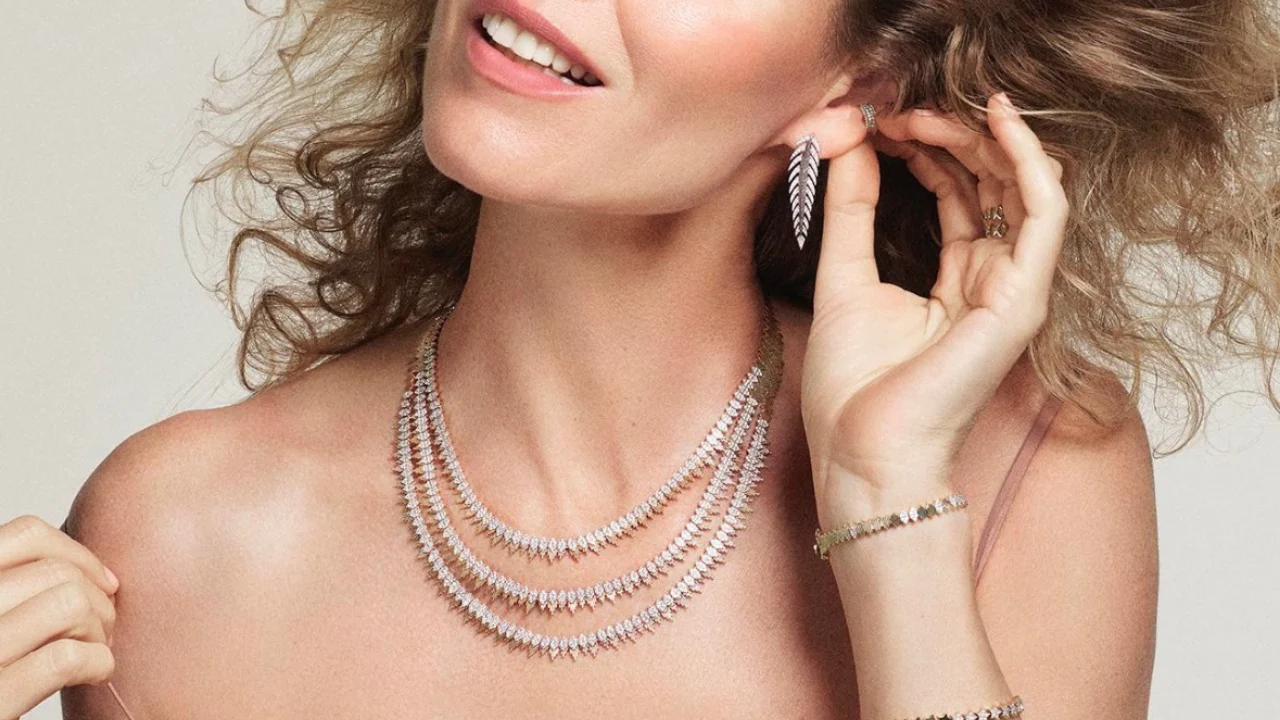

Jewelry is more than just an accessory; it is often a collection of memories, investments, and sentimental heirlooms. Whether you own high-karat gold, delicate silver, or pieces encrusted with vibrant gemstones, proper maintenance is the only way to preserve their beauty and integrity over time. Daily exposure to the elements—including perfumes, lotions, perspiration, and even household cleaning agents—can cause jewelry to lose its luster and potentially suffer permanent damage. Establishing a consistent cleaning and storage routine is the most effective way to protect your collection and ensure that your pieces remain in pristine condition for generations to come.
Understanding the Needs of Different Materials
Not all jewelry is created equal, and treating a piece of costume jewelry the same way you would a solid gold heirloom is a recipe for disaster. Before you begin any cleaning process, you must first understand the materials you are working with. Gold, silver, platinum, and various gemstones all have different levels of hardness and reactivity to chemical substances.
Gold is a relatively soft metal, which makes it susceptible to scratching. While it does not tarnish in the way silver does, it can accumulate a film of dullness caused by soap residue or skin oils. Silver, by contrast, is highly reactive to sulfur in the air, which leads to the dark, dull tarnish that characterizes neglected pieces. Gemstones also vary widely; diamonds are extremely hard, but porous stones like opals, turquoise, and pearls require highly specialized, gentle care. Always research the specific requirements of your jewelry before choosing a cleaning method.
The Foundation of Gentle Cleaning
For the vast majority of your everyday gold and diamond jewelry, a simple, gentle approach is usually the safest and most effective. You do not need harsh chemicals or expensive professional solutions to restore the shine to your favorite rings, necklaces, and earrings.
-
Prepare a bowl of warm water and add a few drops of mild, phosphate-free dish soap.
-
Let your jewelry soak in the mixture for about 10 to 15 minutes. This softens the accumulation of oils and dirt.
-
Use a very soft-bristled toothbrush to gently scrub the settings, especially behind stones where debris often hides.
-
Rinse the jewelry thoroughly under lukewarm running water, ensuring no soap residue remains.
-
Pat the piece dry with a clean, lint-free microfiber cloth.
This basic method is safe for most sturdy metals and hard stones, but it is not recommended for organic materials or fragile, porous gemstones.
Special Care for Silver
Silver tarnishing is a natural chemical process, but it can be minimized with diligent care. Because silver is sensitive to sulfur, keeping it away from rubber bands, certain fabrics, and household chemicals is essential. When silver does begin to tarnish, you have a few options for restoration.
For light tarnish, a simple polishing cloth designed specifically for silver is often sufficient. These cloths are impregnated with mild abrasives that remove tarnish without damaging the underlying metal. Avoid using toothpaste or other DIY abrasive household cleaners, as these can create microscopic scratches on the silver surface. For more heavily tarnished pieces, consider using a specialized silver dip. However, be cautious with pieces that have oxidized details or gemstones, as these chemical dips can strip away intentional antique finishes or damage delicate stone settings.
Protecting Delicate Gemstones and Pearls
Pearls, opals, emeralds, and turquoise require a completely different strategy. Pearls, in particular, are organic and extremely delicate; they can be damaged by the acidity in perfume, hairspray, and even the natural oils on your skin. Pearls should always be the last thing you put on before leaving the house and the first thing you take off when you return.
To clean pearls, wipe them gently after each wear with a soft, slightly damp cloth to remove any residue. Never submerge pearls in water for an extended period, as the moisture can weaken the silk thread they are strung on. If you notice the thread becoming discolored or stretching, take the piece to a professional jeweler for restringing. Porous gemstones like opals and turquoise should also never be cleaned with ultrasonic cleaners or harsh chemicals. Stick to a soft, dry cloth and, if necessary, a slightly damp cloth with very minimal water.
Proper Storage Habits
How you store your jewelry is just as important as how you clean it. Improper storage is the leading cause of scratched stones and tangled chains. Every piece of jewelry should ideally be stored in its own compartment or pouch to prevent different metals from scratching each other. Diamonds, being the hardest substance, can easily scratch softer metals like gold if they are thrown together in a heap.
Consider the following storage best practices:
-
Use a fabric-lined jewelry box that prevents direct contact between pieces.
-
Keep silver in anti-tarnish bags or wrap pieces in acid-free tissue paper to reduce air exposure.
-
Avoid storing jewelry in the bathroom. The humidity and temperature fluctuations in a bathroom environment can accelerate tarnishing and damage adhesive settings.
-
Keep jewelry out of direct sunlight and away from heat sources, as extreme light can cause some gemstones to fade or become brittle.
The Role of Professional Inspection
Even if you are diligent about home care, professional maintenance is non-negotiable for high-value or sentimental pieces. A professional jeweler has the tools, such as ultrasonic cleaners and steam cleaners, to remove deep-seated grime that a toothbrush cannot reach.
More importantly, a jeweler can check for structural issues. Prongs that hold your gemstones in place can wear down over time, becoming snagged on clothing or loose enough to drop a stone without you noticing. Having your rings and necklaces professionally inspected at least once a year can save you from the heartbreak of losing a precious stone. During these visits, a jeweler can also re-polish the metal to remove surface scratches, effectively making your jewelry look brand new again.
Frequently Asked Questions
Are ultrasonic jewelry cleaners safe to use at home?
Ultrasonic cleaners use high-frequency sound waves to vibrate dirt off jewelry, which is highly effective for some pieces but dangerous for others. They should never be used on organic gems like pearls, coral, or amber, nor on porous stones like emeralds or opals, as the vibrations can cause them to crack or fall out of their settings.
Is it safe to wear jewelry while swimming or at the gym?
It is highly recommended to avoid wearing jewelry during these activities. Chlorine in swimming pools is particularly damaging to gold and can weaken metal over time. At the gym, your jewelry is at risk of being snagged on equipment or damaged by the pressure of weights, and perspiration can accelerate tarnishing on silver.
What should I do if my jewelry chain gets tangled?
Do not try to force a tangled chain apart, as this can snap the delicate links. Instead, lay the chain flat on a smooth surface and apply a tiny drop of mineral oil or baby oil to the knot. Use two fine-tipped sewing needles or tweezers to gently tease the knot apart. If the knot is tight, patience is key to avoiding permanent damage.
Why does my gold ring turn my finger green?
This is typically a reaction between the acidity of your skin and the copper or other alloys mixed into the gold. It is not necessarily a sign of low-quality jewelry, but it is more common with lower-karat gold that contains a higher percentage of base metals. Applying a thin layer of clear nail polish to the inside of the ring can often prevent this reaction.
Can I clean my diamond ring with an old toothbrush?
Yes, a soft-bristled toothbrush is excellent for cleaning diamond rings. However, ensure it is truly soft, as stiff or medium bristles can cause tiny, cumulative scratches on the metal setting over the years. Always scrub gently and avoid applying too much pressure to the prongs.
How often should I have my jewelry professionally cleaned?
A general rule of thumb is to have your fine jewelry professionally inspected and cleaned at least once every twelve months. This frequency allows a jeweler to catch loose stones or worn-down prongs before a significant loss occurs, while also restoring the luster of the piece.
Is it okay to use vinegar or lemon juice to clean jewelry?
It is best to avoid these acidic substances. While they are popular for household cleaning, the acidity can damage certain gemstones and potentially strip the finish off plated jewelry. Stick to a mixture of mild dish soap and warm water, which is safer and effectively removes the oil and dirt that dulls jewelry.