
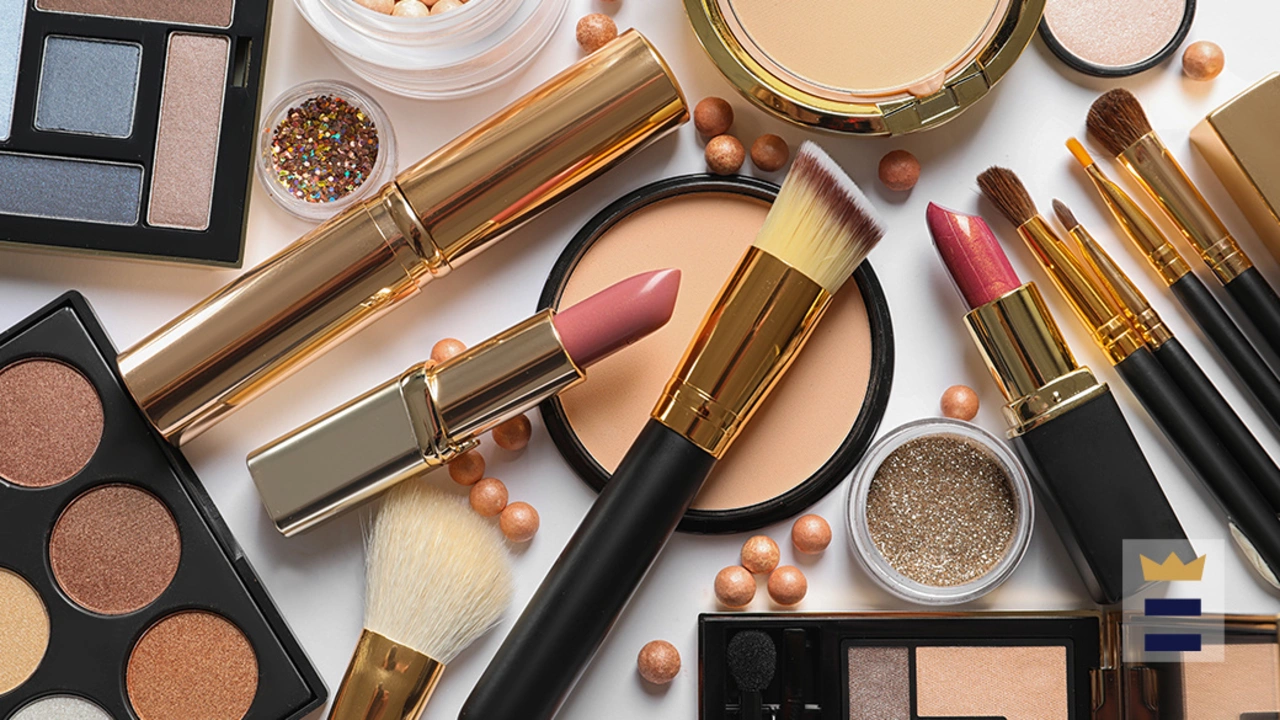

Makeup, in its most enduring and universal form, is not just about enhancing physical appearance; it is a tool of transformation, an artistic expression, and a cultural statement. Over centuries, makeup has evolved from a mere cosmetic necessity to a powerful means of personal identity, confidence, and even rebellion. From the bold red lips of the 1920s flapper to the minimalist, natural look championed by today’s influencers, makeup is a dynamic practice that reflects both individual personality and societal shifts. This article delves into the fascinating world of makeup, exploring its history, cultural significance, creative potential, and its growing influence in modern beauty and fashion.
The History and Evolution of Makeup
The use of makeup dates back thousands of years, long before it became a staple of modern beauty routines. The ancient Egyptians, for instance, were pioneers in the use of cosmetics, using eye makeup made from malachite and kohl to enhance their eyes and protect them from the sun’s glare. For both men and women, makeup was not only an aesthetic choice but also a symbolic one, representing status, power, and spirituality. Pharaohs and their courtiers used cosmetics to signal their divine connections and to ward off evil spirits.
In ancient Greece and Rome, makeup took on a slightly different role. The Greeks emphasized pale skin as a sign of beauty and nobility, and women used a variety of substances to lighten their skin, including lead-based powders. In contrast, Roman women often used rouge made from plant-based dyes to accentuate their cheeks. However, it wasn’t until the Renaissance that makeup became more commonplace in European society, with aristocrats of the time using white powder to achieve the pale, ethereal look that was in vogue.
Fast forward to the 19th and early 20th centuries, and the rise of the beauty industry began to take shape. In the 1900s, makeup became more widely accessible with the advent of mass-produced products such as lipstick, face powders, and mascara. In the 1920s, during the flapper era, bold makeup choices such as dark eyeliner, dramatic brows, and red lipstick became symbols of rebellion and female empowerment. As societal norms and the role of women in the workforce continued to shift, so did the makeup trends, reflecting the changing ideals of beauty and femininity.
The 1960s and 1970s saw a significant shift towards natural beauty, with a more minimalist approach gaining popularity. In the 1980s and 1990s, makeup took on a more glamorous, bold aesthetic with the rise of supermodels and the increasing influence of the fashion industry. Today, the makeup industry is a multi-billion-dollar global enterprise, with trends evolving rapidly, from Instagram-famous bold brows and contouring to the current resurgence of no-makeup makeup looks.
Makeup as Self-Expression and Art
Beyond its history and societal implications, makeup is, at its core, an art form. Like painting or sculpture, makeup allows individuals to create something unique, drawing upon creativity and imagination. Makeup artists, both professional and amateur, are able to craft looks that can evoke emotion, tell a story, or represent a particular aesthetic vision. This creative aspect of makeup is what gives it its transformative power, as it can turn an ordinary face into an extraordinary canvas.
For some, makeup is a daily ritual that enhances natural features, adding subtle elegance or a touch of glamour. For others, it’s an avenue for personal expression—an opportunity to experiment with colors, textures, and styles. Bold eyeliner and vividly colored eyeshadows allow individuals to communicate their personality in ways that clothing or accessories cannot. Makeup has become a powerful way for people to feel empowered, whether by accentuating their features or embracing their identity in a way that aligns with their inner self.
In recent years, makeup has become increasingly recognized as a form of artistic performance. Makeup artists are often seen as modern-day painters, their faces acting as the canvas upon which they express their creativity. Social media platforms, particularly Instagram and YouTube, have provided a global stage for makeup artists to showcase their talents and build massive followings. The “glam” look, characterized by sculpted contouring, perfect eyebrows, and dramatic lashes, became a hallmark of beauty influencers. Meanwhile, the advent of face painting and more experimental makeup styles, like those popularized by avant-garde artists such as Pat McGrath and makeup moguls like Jeffree Star, has further cemented makeup as an art form.
The Psychological Power of Makeup
Makeup is not just an aesthetic or creative practice; it has a profound psychological impact on those who use it. The relationship between makeup and self-esteem is complex and multifaceted. For many, makeup is an empowering tool that boosts confidence and helps them feel more in control of their appearance. It can be a form of armor, allowing individuals to face the world with heightened self-assurance. Women, in particular, often use makeup to feel more polished or put-together, and for many, it is an essential part of their daily routine.
Research has shown that wearing makeup can have a measurable effect on how others perceive us. Studies have indicated that individuals who wear makeup are often seen as more competent, confident, and trustworthy, which can have significant social and professional advantages. The concept of “the lipstick effect” suggests that in times of economic downturn, the sale of makeup products tends to rise, as people look for small ways to elevate their mood and enhance their self-image without the need for a large investment.
However, the psychological effects of makeup can be twofold. While it can enhance self-esteem and confidence, it can also create pressure, particularly among women, to conform to societal beauty standards. The rise of “Instagram beauty” and flawless selfies has contributed to a culture of perfectionism, where makeup is seen not just as an enhancement but as a necessity. This pressure to look perfect can lead to feelings of inadequacy or self-doubt, particularly when individuals feel that their natural beauty is not enough. The makeup industry has responded to this challenge by emphasizing inclusivity, promoting a wide range of products designed to cater to all skin tones, ages, and genders.
Makeup and Modern Beauty Standards
The beauty industry, now more diverse and inclusive than ever, is reflecting a significant shift in how makeup is viewed. In the past, makeup was predominantly marketed to women, often focusing on enhancing femininity through stereotypical standards of beauty: flawless skin, large eyes, and full lips. But today, makeup is embraced by people of all genders, ages, and backgrounds. Men are increasingly using makeup to enhance their features or to engage with makeup as a form of self-expression, challenging the historical gender norms associated with beauty products.
Additionally, the rise of “clean beauty” and sustainability in the makeup industry reflects growing concerns about health and environmental impact. Consumers are increasingly seeking makeup products that are free from harmful chemicals, cruelty-free, and environmentally responsible. Brands that emphasize transparency, ethical sourcing, and natural ingredients are becoming more popular, and this reflects a broader cultural shift towards health and wellness.
The focus on individual beauty also reflects the growing movement toward authenticity and self-acceptance. The beauty industry has made great strides in celebrating imperfections—whether that means embracing freckles, wrinkles, or uneven skin tone. This shift in messaging encourages people to see makeup not as a tool to conceal flaws but as a way to enhance and express the unique qualities that make them who they are. With the advent of “no-makeup makeup” looks, which highlight natural beauty while subtly enhancing features, the emphasis has shifted toward individuality and self-love.
The Future of Makeup: Innovation and Inclusivity
Looking ahead, the future of makeup seems poised to embrace even more innovation and inclusivity. Advances in technology are transforming the way makeup is developed and applied. Augmented reality apps that allow users to “try on” makeup virtually are already changing how people shop for beauty products, making it easier for consumers to find shades and products that suit their individual needs. Additionally, the continued growth of personalized beauty services, such as custom foundation shades and bespoke skincare routines, will further empower consumers to craft their perfect look.
The movement toward inclusivity and sustainability will likely continue to shape the makeup industry. Consumers are demanding products that cater to a wide range of skin tones, ages, and needs. The rise of gender-neutral makeup lines and products designed for all skin types signals a welcome departure from rigid beauty standards, allowing everyone to enjoy the creative power of makeup, regardless of gender or ethnicity.
In conclusion, makeup is far more than just a cosmetic tool—it is an art form, a statement of identity, and a source of empowerment. It allows individuals to express themselves in ways that words cannot, reflecting personal style, cultural trends, and even social movements. From its historical origins to its present-day role in beauty and fashion, makeup remains an ever-evolving practice, one that will continue to shape how we perceive beauty, ourselves, and each other. As trends shift and new technologies emerge, makeup will undoubtedly continue to be a powerful force for transformation, creativity, and self-expression.