
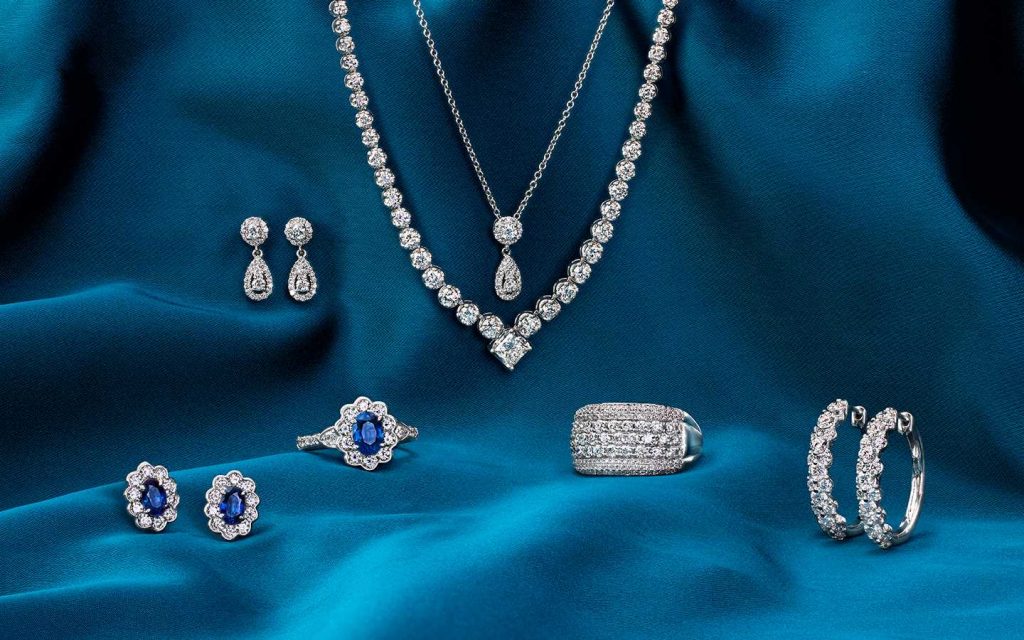

Jewelry, in its many forms, has captivated humanity for centuries. From the intricate gold necklaces of ancient Egypt to the sparkling diamond engagement rings of modern times, jewelry is more than just adornment; it is a symbol, an art form, and a deeply personal expression. Throughout history, jewelry has been used to communicate status, love, power, and even spiritual belief. It transcends its material composition, becoming a vessel for meaning and emotion. In this article, we explore the multifaceted world of jewelry—its cultural significance, its craftsmanship, and its evolution into an essential element of modern style and personal expression.
The Cultural Significance of Jewelry
Jewelry is a universal language, understood across cultures and generations. Whether it is an ornate tiara, a pair of earrings, or a simple gold bracelet, jewelry has always held symbolic power. In many ancient societies, jewels were not only worn as ornaments but also as a representation of wealth, power, and spiritual beliefs. In ancient Egypt, for example, jewelry was often imbued with mystical properties, believed to offer protection in the afterlife. The Egyptians favored amulets and rings engraved with hieroglyphs, each carrying significance, such as the famous scarab beetle, which symbolized rebirth and protection.
In the Western world, jewelry has long been a marker of social status and economic class. During the Renaissance, the wealthy used elaborate jewels to signal their high rank, often commissioning intricate designs from master goldsmiths. The most opulent pieces were reserved for royalty and nobility, and such jewelry became a way to display power, influence, and dynastic wealth. Fast-forward to modern times, and jewelry continues to be a symbol of prestige and affluence, albeit in more subtle forms. Luxury brands like Cartier, Tiffany & Co., and Van Cleef & Arpels maintain their legacy as symbols of exclusivity and refinement.
However, the meaning of jewelry is not confined to wealth or power. Many cultures use jewelry as a rite of passage, marking important milestones in a person’s life. In some cultures, a piece of jewelry may be passed down through generations, carrying with it familial history and personal significance. In other cases, jewelry marks a cultural or religious event, such as marriage, where wedding rings are exchanged as a symbol of commitment and love. Similarly, engagement rings, with their enduring association with romantic love, have become iconic symbols of personal commitment and affection. In this way, jewelry serves not only as a personal treasure but as a repository of shared cultural meaning and tradition.
Craftsmanship: The Art Behind the Pieces
What elevates jewelry from mere adornment to a work of art is the craftsmanship involved in its creation. Jewelry-making is a delicate, intricate process that demands both technical skill and creative vision. Whether the designer is working with precious metals, gemstones, or synthetic materials, the artistry behind each piece is what makes it unique.
The journey of creating a piece of fine jewelry begins with the design. It can take weeks, or even months, to develop a concept that balances aesthetics, functionality, and symbolism. The designer must consider not only the materials and colors but also the overall shape and structure. A successful design must strike a balance between elegance and wearability, making the piece suitable for its intended purpose, whether it’s a daily accessory or a statement piece for a special occasion.
Once the design is finalized, the jeweler begins the process of material selection. Precious metals such as gold, platinum, and silver are commonly used in fine jewelry, each offering distinct properties that affect the final piece. Gold, for instance, is prized for its malleability and luster, while platinum is valued for its durability and rarity. Once the metals are sourced, the jeweler melts and shapes them, often through techniques like casting, forging, and soldering. Inlays of precious stones, like diamonds, sapphires, and rubies, are then set with great precision, their placement determined to maximize brilliance and impact.
The setting of gemstones is one of the most critical steps in the creation of jewelry. Whether through prong, bezel, or pave settings, the way a gemstone is set not only influences its security but also its visual appeal. The stone’s cut, clarity, and color are all factors that determine how light interacts with it, enhancing its sparkle and radiance. A jeweler’s expertise in stone setting can elevate a piece from beautiful to breathtaking, as even the smallest of details can have a profound effect on the final product.
Throughout the entire process, attention to detail is paramount. The most exquisite jewelry is marked by its flawless finish, with smooth edges, perfect symmetry, and meticulous polishing. In many cases, jewelry artisans use specialized tools and techniques that have been passed down through generations, ensuring that traditional methods are preserved while embracing innovation.
Jewelry as Personal Expression and Fashion
While jewelry has long been a symbol of wealth and status, its role in modern life has evolved to encompass personal expression and style. Today, jewelry is not just a luxury item; it is an essential element of fashion, with each piece allowing the wearer to express their individuality and mood.
In contemporary fashion, jewelry is seen as a versatile accessory that can elevate an outfit, transforming the simplest look into something extraordinary. A well-chosen necklace, bracelet, or pair of earrings can make a statement, whether it’s one of understated elegance or bold opulence. The advent of minimalist design, with its focus on simple, clean lines and subtle beauty, has introduced a new approach to jewelry, allowing pieces to be worn daily without overwhelming the wearer’s overall look. Conversely, maximalist jewelry, with its bold and extravagant designs, provides an opportunity for self-expression, often seen in statement pieces that command attention.
Jewelry also plays a key role in embracing trends. In recent years, there has been a growing emphasis on sustainable and ethical jewelry, driven by consumer demand for pieces that align with environmental and social values. Many designers are now using recycled metals, ethically sourced gemstones, and fair-trade practices to create jewelry that not only looks beautiful but also supports responsible sourcing and production. This shift is transforming the industry, offering consumers the opportunity to wear jewelry that reflects their values as much as their style.
Additionally, the rise of custom-made jewelry has allowed individuals to create pieces that are deeply personal. Whether it’s a custom engagement ring, a family heirloom, or a piece that commemorates a significant life event, personalized jewelry holds sentimental value far beyond its monetary cost. These bespoke creations often carry emotional significance, making them timeless treasures that can be passed down through generations.
The Future of Jewelry: Innovation and Sustainability
As we look toward the future, jewelry continues to evolve in exciting and innovative ways. The incorporation of technology into jewelry design is reshaping the industry, with wearable tech now becoming an integral part of many collections. Smart jewelry, such as rings and bracelets that track health metrics or allow for seamless digital interactions, is gaining popularity as consumers seek to combine functionality with aesthetics. This fusion of technology and jewelry is opening new frontiers, offering convenience and style in equal measure.
Furthermore, sustainability remains a central theme in the jewelry industry’s future. As awareness of environmental issues grows, both consumers and designers are prioritizing sustainable materials and ethical practices. Lab-grown diamonds and alternative gemstones are emerging as popular choices, offering eco-friendly alternatives to traditional mining. The focus on circularity—where jewelry is recycled, repurposed, or redesigned—offers a promising path for reducing waste and promoting more sustainable practices.
In conclusion, jewelry is far more than a mere adornment—it is a rich, multifaceted art form that speaks to the heart of human expression, history, and culture. From the craftsmanship involved in its creation to the personal meaning it holds for the wearer, jewelry remains a powerful medium for communication and creativity. As the world of fashion and technology continues to evolve, the future of jewelry promises to be one of innovation and sustainability, where beauty, function, and ethical values coexist harmoniously. Whether as a symbol of love, power, or identity, jewelry will always remain a timeless part of our lives, telling stories that transcend generations.